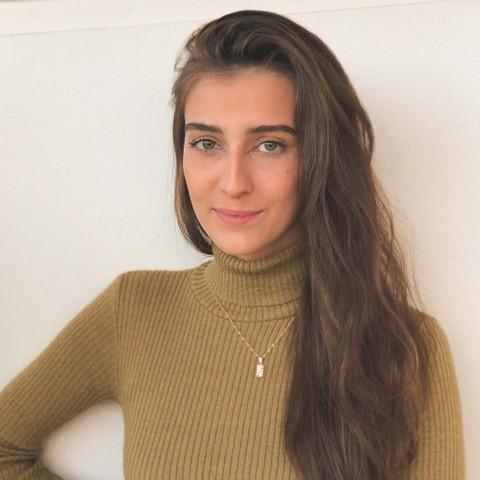
Nice to meet you, I'm Vitória :)
Product Designer with over 6 years of experience in Product Design | UX/UI | UX Research | Design Systems | AI Products.
I work on the creation and evolution of digital products, from user research and strategy to the development of interfaces and scalable Design Systems. I have experience with complex projects in healthcare, technology and financial services, connecting user needs, business goals and innovation.
Projects
“I vastly improved my workflow with the new Design System”
“Great results — deliveries of real value for Clinia's users and for the company.”

“Vitória is a dedicated professional with deep knowledge in her field.”
“A dedicated professional — the project was delivered in even less time than planned”
“Always very focused and committed to delivering the best results”
Experience
Product Designer
Unimed
Oct 2025 - Present
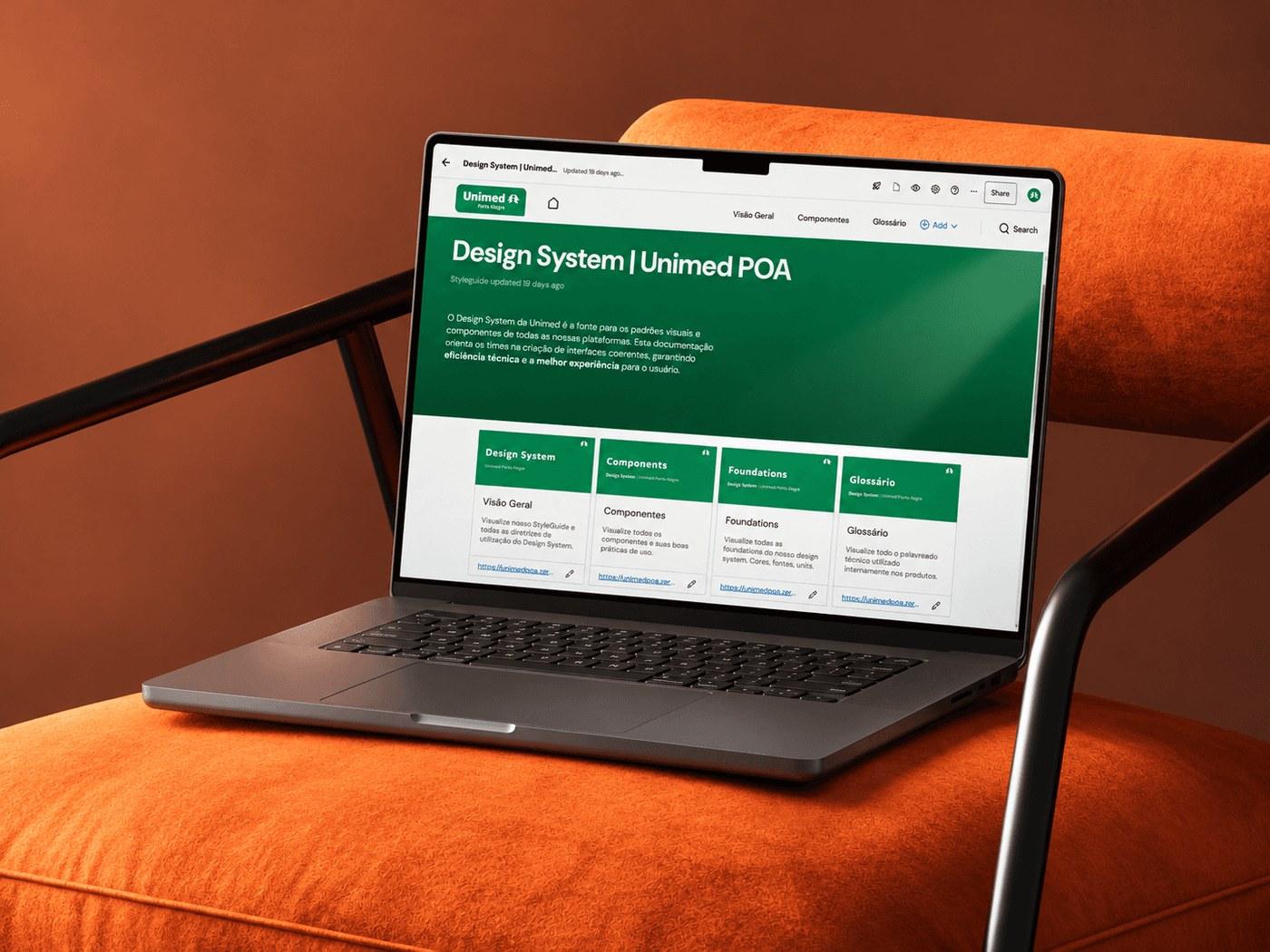
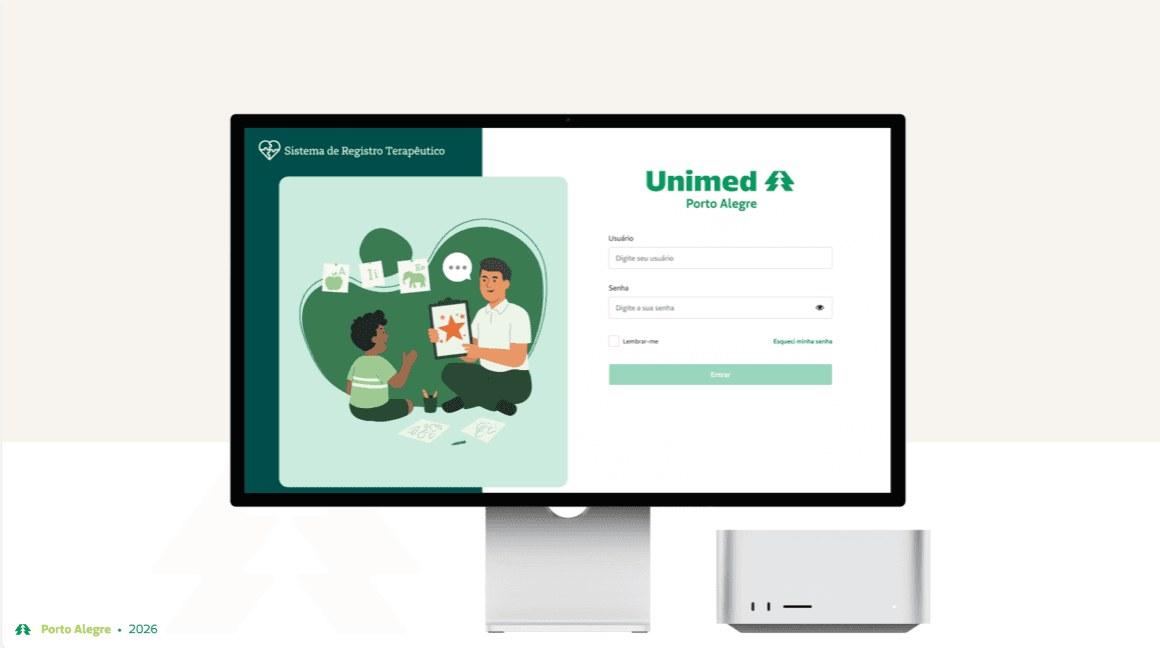
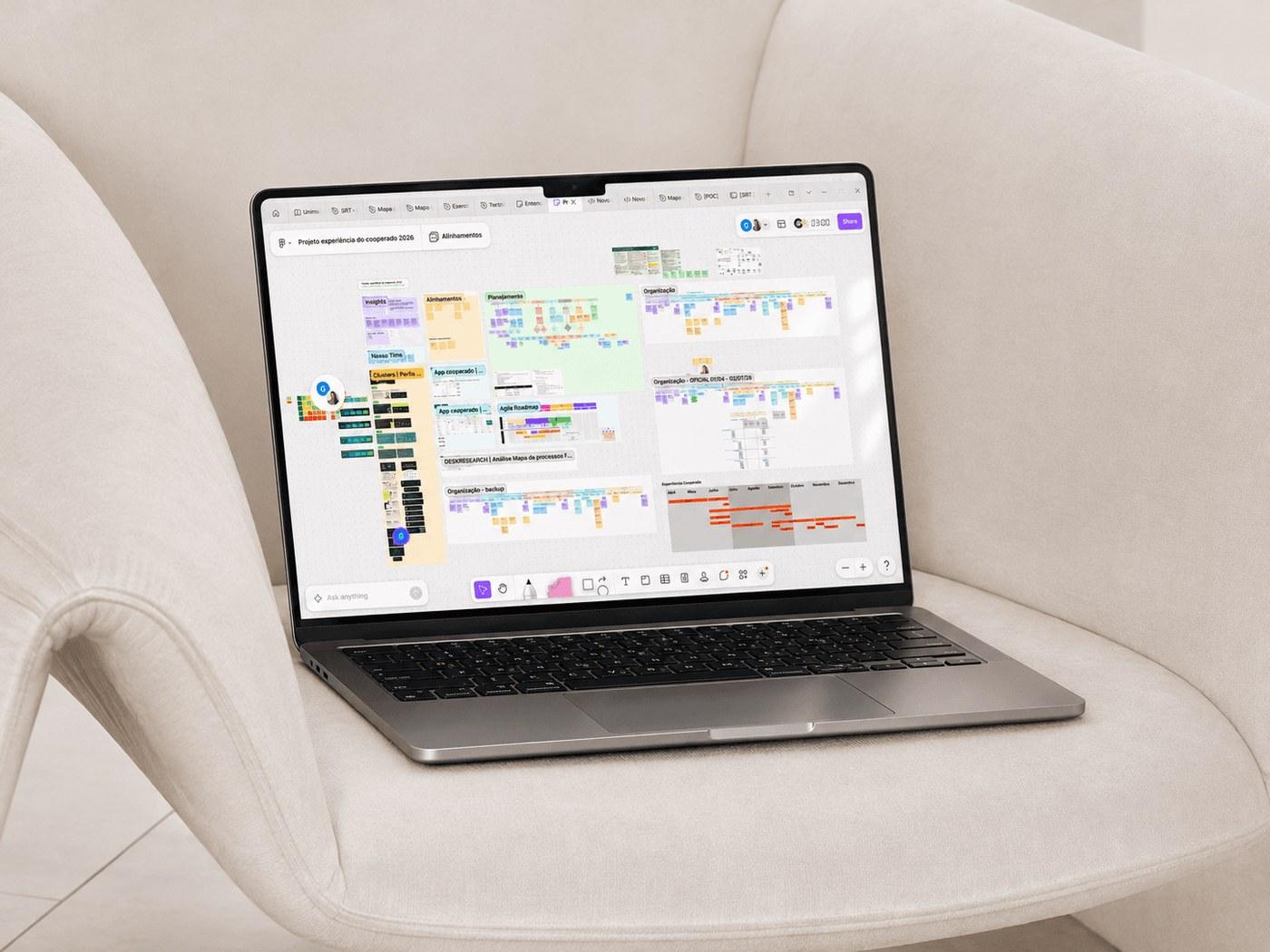
I lead the build of Unimed's corporate Design System and develop the Therapeutic Record System (SRT), which integrates clinical journeys, auditing and regulation for care of children with ASD. I also led discovery for the 2026 Cooperado Experience, interviewing cooperating physicians in person to map how they use the medical portals.
Product Designer
Clinia
Sep 2024 - Oct 2025
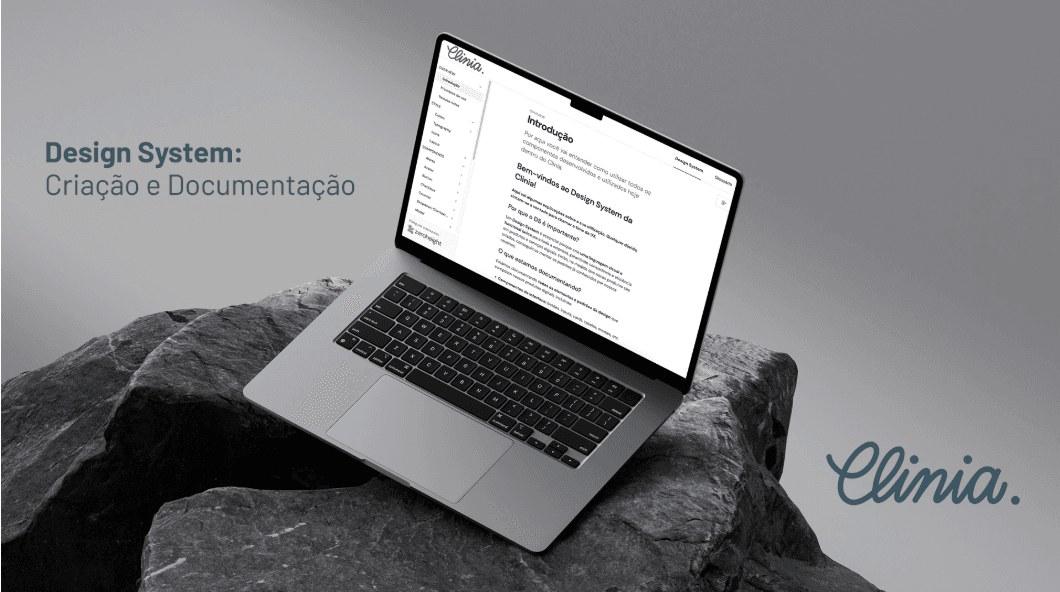
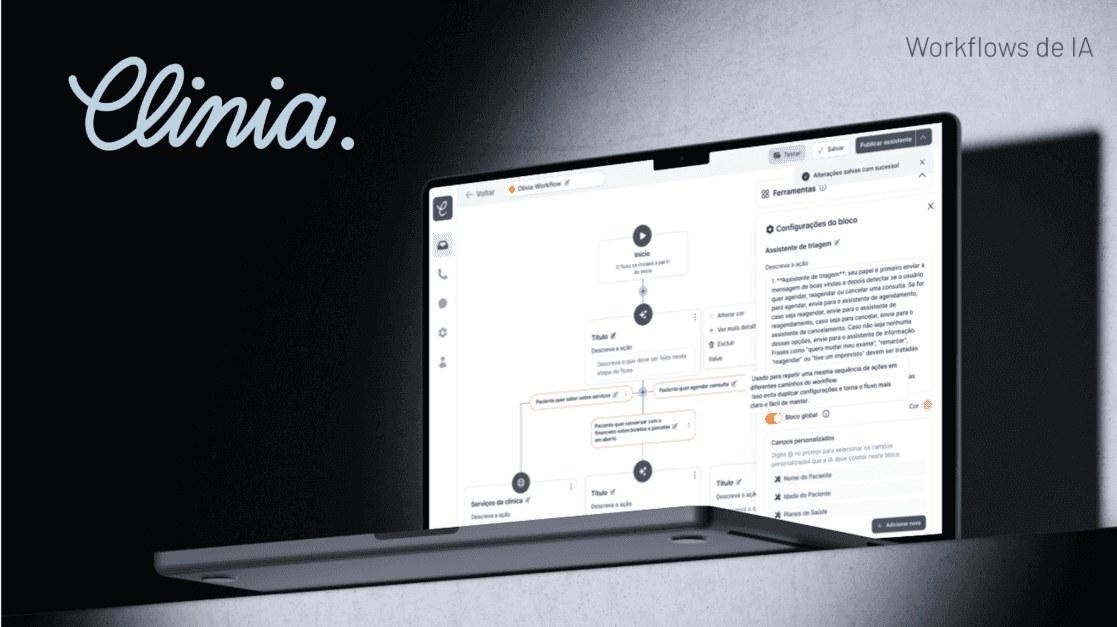
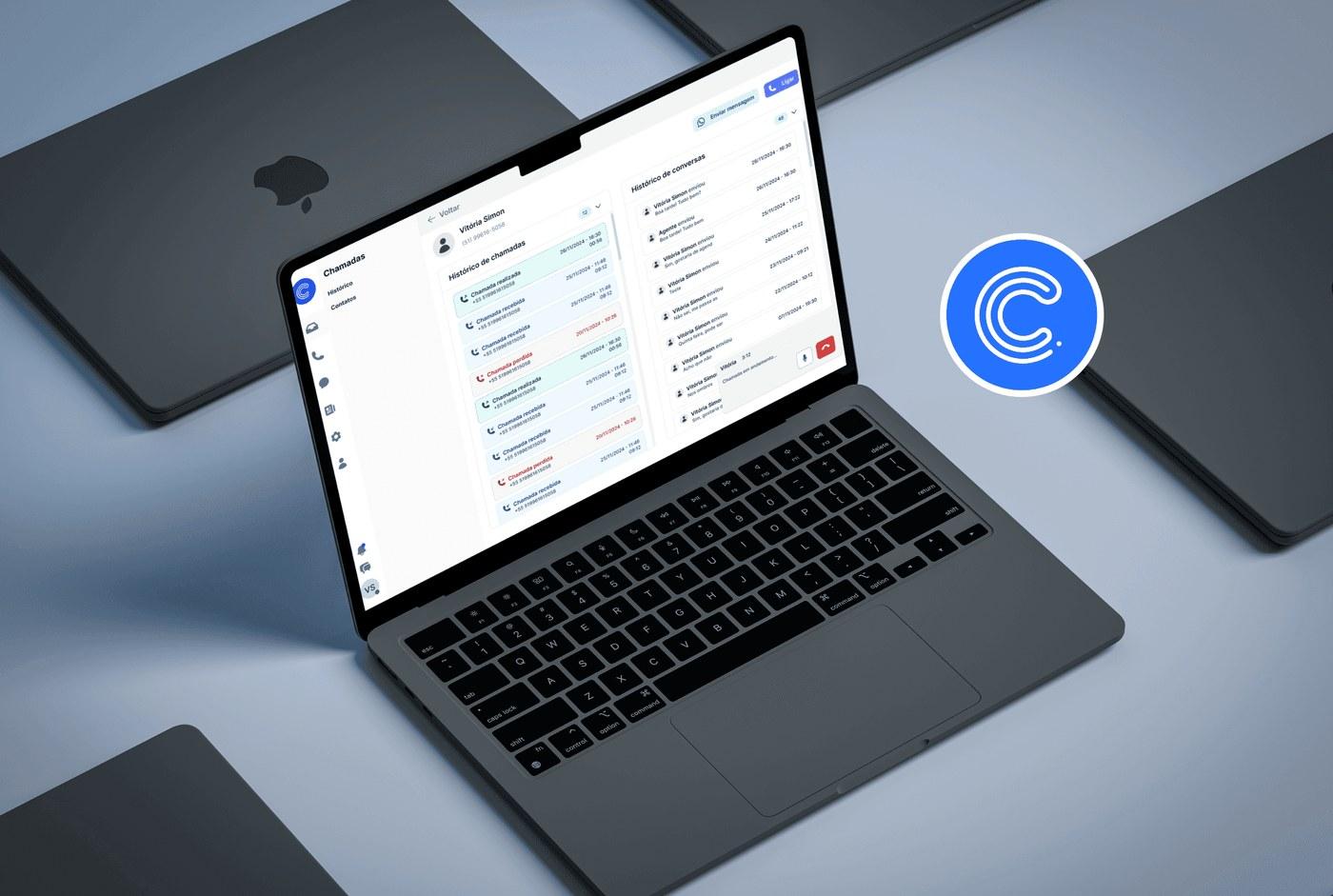
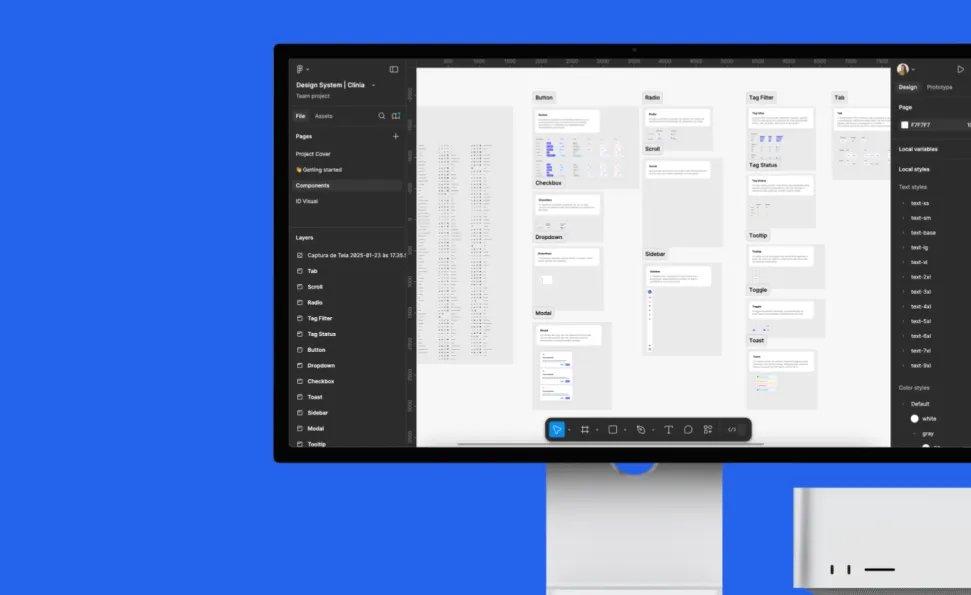
I led the build of the AI agent workflow that shapes interaction between the platform and clinics' patients, and developed wireframes, UI and high-fidelity prototypes. I built and evolved the Design System in Figma, with full documentation in Zeroheight, and ran user research to guide product decisions.
UX Designer
Ilegra | Bem Promotora
Nov 2021 - Sep 2024
I mapped and redesigned user flows across web and mobile platforms, evolving and maintaining the company's Design System. I ran research and usability tests to inform design decisions and facilitated collaborative workshops with cross-functional teams.
UX Designer
Ilegra | Banrisul
Apr 2024 - Jun 2024
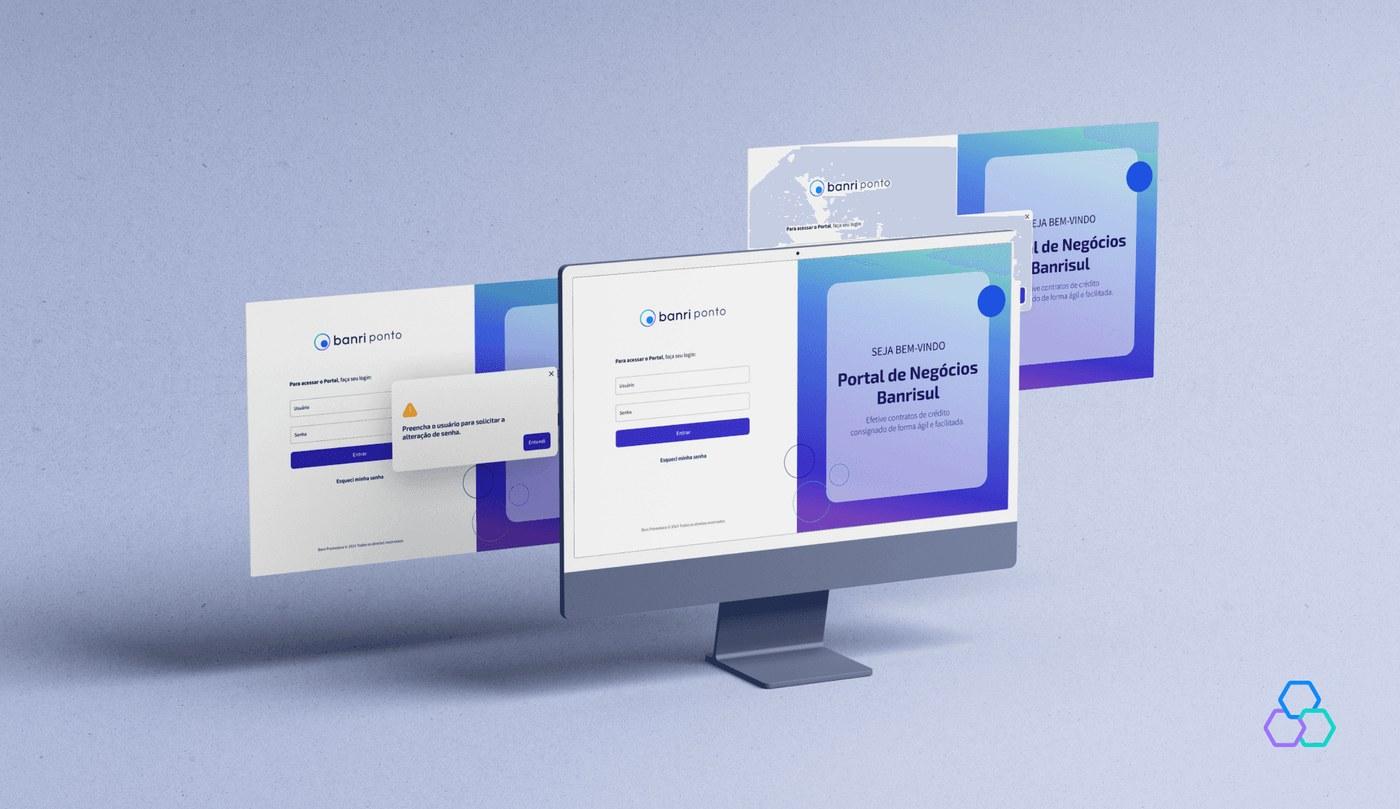
As the sole UX Designer responsible for Banrisul's payroll-loan platform, I ran the project end-to-end, from requirements gathering to handoff. I conducted in-person research with INSS retirees and pensioners and reused components already validated at Bem Promotora, cutting the development cycle by roughly 3x.
UX Designer
Ilegra | Sabemi
Nov 2021 - Dec 2021
I mapped the end-to-end journey of delinquent customers and built service blueprints to identify friction points. I proposed improvements to transactional communication and analyzed the behavior of overdue customers to support retention strategies.
Resume
My full resume is also available to view or download, in Portuguese and in English.
Education
Product Design
UFRGS
2022 - 2027 (in progress)
Ongoing degree focused on user-centered design, prototyping and research methodologies applied to developing digital and physical products.
Visual Arts
Anhanguera
2023 - 2025
Training focused on visual language, composition and aesthetic fundamentals, broadening the creative repertoire applied to interface design and digital experiences.
Design and Visual Communication
ESPM
2020 - 2022
First formal design education, grounded in visual identity, communication and creative process — the starting point for my later path into product design and UX.
Certifications
A collection of certifications and complementary training that are part of my ongoing professional development, spanning different areas of design, technology and user experience.
View certificationsArticles
View all →
About my work
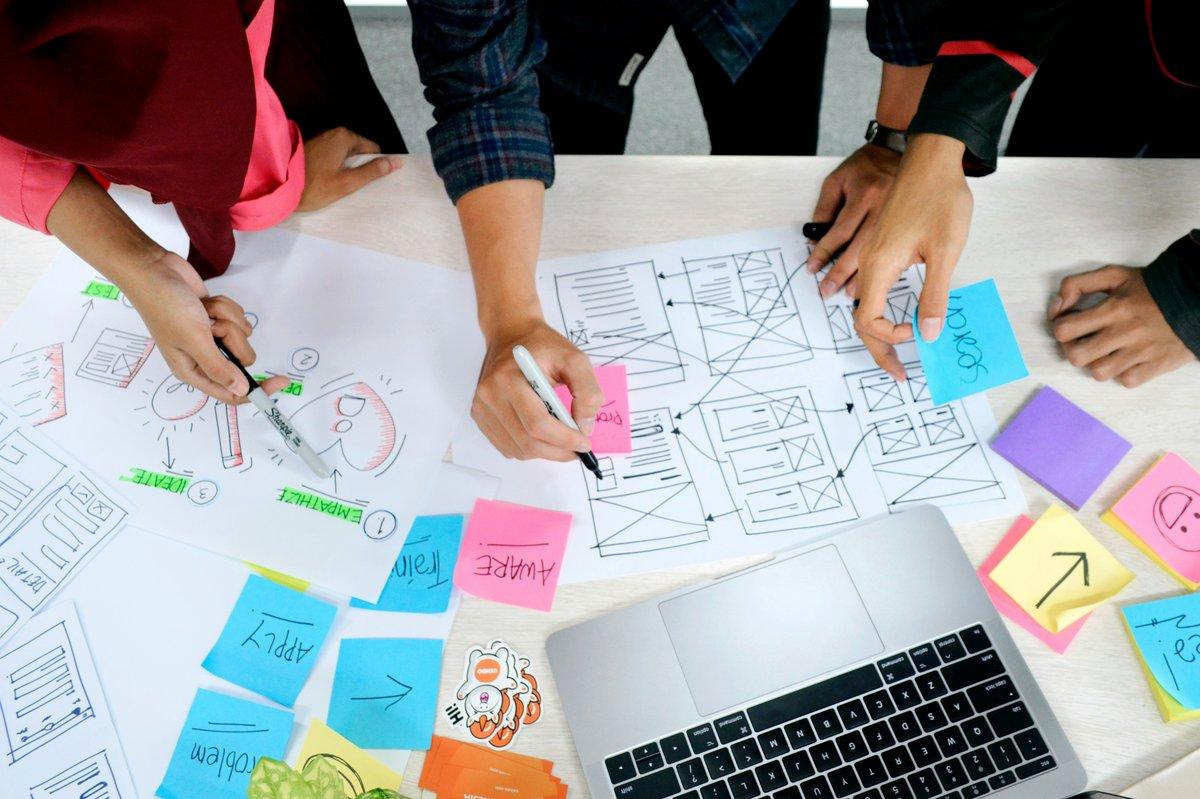
My workflow is grounded in the Double Diamond, paired with Design Thinking methods, to guarantee effective, user-centered solutions. In the Discover phase, I aim to understand the business context through research, benchmarking, market analysis and stakeholder interviews, gathering the information needed to map opportunities. Next, in the Define phase, I use tools such as proto-personas, empathy maps and in-depth interviews to clearly identify and frame the problem to be solved.
With that understanding in place, I move into the Develop phase, applying ideation, testing and early prototyping methods (wireframes and low-fidelity screens), always validating hypotheses with users. Finally, in the Deliver phase, I translate the solutions into high-fidelity screens and prototypes in Figma, validating again with users and providing clear guidelines for developers — ensuring the final product is functional, usable and aligned with business needs.
The main tools in my day-to-day are Figma, for design and prototyping, and Hotjar, which lets me understand user behavior through heatmaps, recordings and surveys. Together, they let me align the creative process with practical analysis of the user experience, ensuring well-structured, data-informed visual solutions.
I also rely on a set of complementary tools, such as Miro, Maze, Google Analytics, Clarity and Dovetail for research and validation; Photoshop, Illustrator and Adobe XD for visual support; and Jira and Azure to coordinate with development teams. This range lets me work end to end, from discovery and definition through to delivery of the project.
To validate interfaces and flows, I combine usability testing, A/B testing and in-depth interviews with real users, in their actual context whenever possible — as I did in person with cooperating physicians and with INSS retirees and pensioners. I use tools like Maze, Hotjar and Dovetail to structure the tests, review recordings and turn the findings into validated or refuted hypotheses.
This happens in cycles: low-fidelity prototypes are tested early, before any investment in high fidelity, to reduce rework. After launch, I track real behavior through usage metrics (Google Analytics, Mixpanel, Hotjar) to confirm whether the solution actually solved the problem the project set out to address.
Every design decision starts from research, never assumption. In the Discover phase, I combine benchmarking, desk research and stakeholder interviews to understand the business context; I then apply empathy maps, proto-personas and in-depth interviews with real users to precisely define the problem to be solved.
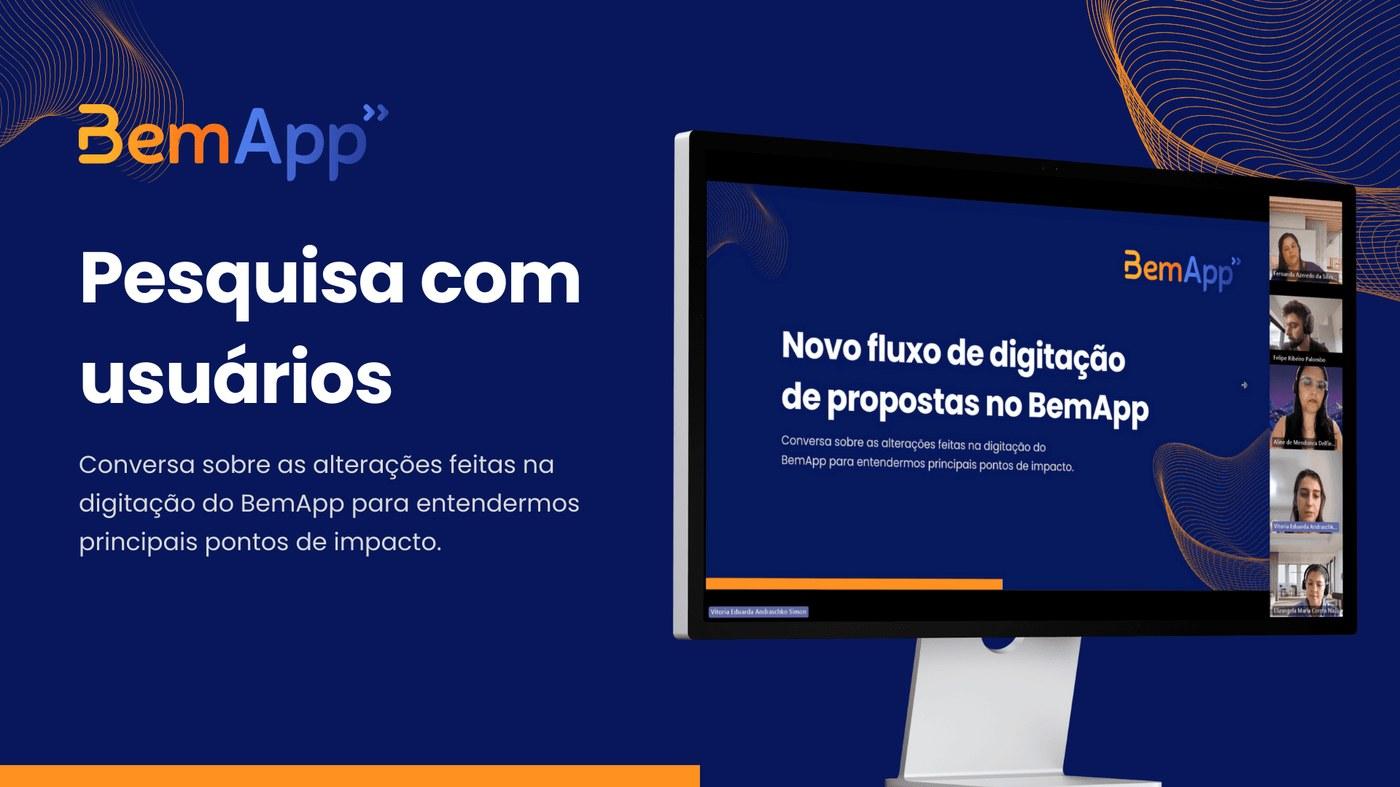
I've conducted in-person research with very different audiences — from cooperating physicians in their own offices to INSS retirees and pensioners in bank branches — which reinforced how important it is to adapt the collection method to the context and availability of the people being interviewed, without losing analytical rigor.
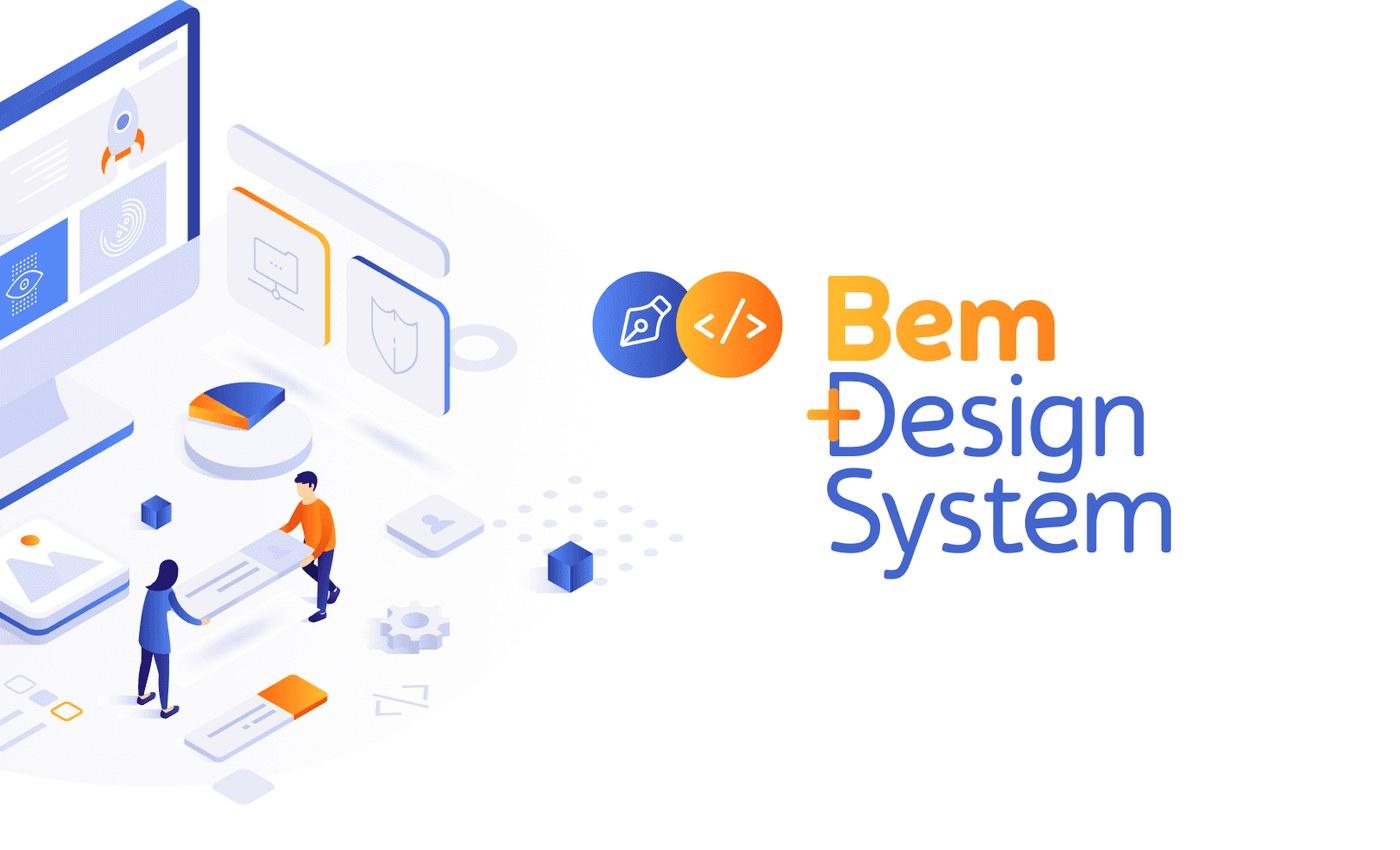
To me, a Design System is the bridge between design and development. I've built and evolved systems at different stages of maturity: from building one from scratch, documented in Figma and Zeroheight, to leading the restructuring of a corporate system with 500+ tokens and 40+ components, with handoff documented for implementation in OutSystems and React.
I've also reused components from an existing system to speed up delivery of a new product, cutting the estimated development cycle by roughly 3x. To me, a good Design System isn't a static file — it's a living foundation, reviewed and adjusted as the product and teams evolve.
I work in constant proximity with Product, Technology and Business: I've run workshops and collaborative design sessions with cross-functional teams, and today I coordinate with areas like Engineering, Architecture, Operations and Audit as more complex products evolve.
Documenting the reasoning behind each decision is an essential part of collaboration — that's why I formalize tasks, hypotheses and handoffs in tools like Jira and Azure DevOps, making sure the development team understands not just the “what”, but the “why” behind every design choice.
AI is already part of my workflow: I use tools like Claude, ChatGPT, Perplexity, Gemini and NotebookLM to support research, synthesize information and organize ideas day to day, plus Gamma to help with presentations.
Beyond using AI as a tool, I've also designed AI products: I led the build of the workflow for an AI agent that shapes the interaction between a platform and its patients, structuring prompts, automations and business rules as part of the experience design itself.