
February 9, 2025
Coherent, scalable interfaces through a Design System
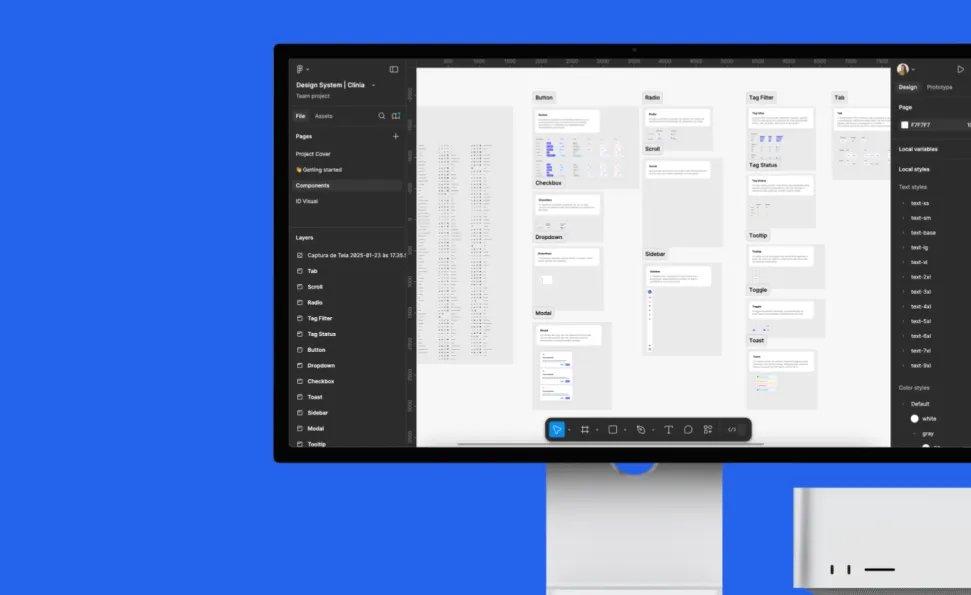
What is a Design System?
A Design System is a component library structured with guidelines, standards, components, and best practices that help teams create products consistently and at scale. It connects designers, developers, and other departments within the company around a shared visual language, ensuring that all elements of a product or platform work seamlessly together while also facilitating the development of new products.
It includes everything from basic elements, such as color palettes and typography, to complex components like modals and tables. Additionally, it provides documentation and guides so that anyone on the team can use the resources clearly and accurately, understanding the purpose of each component.
The main goal of a Design System is to enable teams to deliver high-quality products with less effort and greater cohesion, resulting in a smoother experience for end users.
💡 Of course, creating a Design System requires time and dedication, but once it is fully established, the development of new products sees a significant reduction in effort and time.
But why is it so important?
Adopting a Design System brings benefits not only to designers and the entire Product team but also to the company as a business strategy.
1. For designers & the product team
A well-structured Design System, integrated with tools like Figma, allows seamless connection across all company projects. Once components are properly defined, developing new products within the same organization becomes much more efficient. Screen layout composition (for designers) becomes standardized, reducing rework and ensuring consistency.
Beyond UI efficiency, robust, clear, and objective documentation greatly facilitates the handoff process for developers responsible for coding the designed screens. This documentation is usually maintained by designers and can be managed using ZeroHeight, a specialized tool for documenting design systems. It enables the creation of guidelines for content, visual identity, and components, making it easier for new designers to onboard and allowing developers to make small updates or adaptations without always needing direct assistance from designers.
2. For companies
The primary benefit for companies is, without a doubt, the cost reduction in project development. Based on my own experience, a well-implemented Design System can cut down project timelines by several months, saving both time and resources while enabling faster market launches.
For example, I recently developed a project for a financial sector company. As a sole designer on a team with eight developers and an entire product team, I was able to build a complete project from scratch in just over three months. Without the customized and previously documented Design System I had created, the project would have taken at least three additional months. This time savings was possible because developers were already familiar with the available components. As a result, when they received my interface designs and prototypes, they knew exactly which elements to use in the code. This optimization not only accelerated the process but also generated significant cost savings of approximately R$ 295,000.00 in total project expenses.
Tools and references for building a solid Design System
Figma is the primary tool used for developing components in a Design System. It allows designers to create specific tokens and their variations, establishing the foundation for the entire component library. In addition to Figma, other tools play essential roles in the creation and documentation of a Design System:
- Figma — The platform where designers create and organize the component library. It serves as the starting point for ensuring visual and functional consistency across products.
- Zeroheight — A tool dedicated to detailed documentation of components, explaining when and why to use them, along with best practices for application across different platforms.
- Storybook — Geared towards developers, Storybook documents components in code format, providing a practical and technical view of each element.
Zeroheight, in particular, offers integrations with both Figma and Storybook. This means you can add a code tab (linked to Storybook) directly within the documentation. This feature enables developers to access a complete view — usage context and code — on a single platform, fostering more efficient collaboration between designers and developers.
Design system references
- DesignSystems.comA design systems publication by Figma
- Design Systems RepoA collection of design systems worth exploring.
- Lista de Design Systems BrasileirosA list of genuinely Brazilian Design Systems.
- Design System Github (Figma Community)
- Material 3 Design Kit (Figma Community)
The fact that a Design System offers strategic advantages for both the Product team and the company as a whole is clear. Now, check out the key benefits you, as a designer, can leverage to convince your company to create its own DS:
- Visual and functional consistency — Ensures that all products and interfaces follow a unified standard, creating a cohesive user experience.
- Faster development — Predefined and documented components reduce the time needed to build new products and minimize rework.
- Team collaboration — Integrated tools (such as Figma, Zeroheight, and Storybook) facilitate communication between designers, developers, and stakeholders, eliminating ambiguities in the process.
- Cost reduction — The efficiency provided by a DS eliminates repetitive efforts, optimizes resources, and lowers overall project costs.
- Scalability — With a well-structured DS, new products and features can be seamlessly integrated, allowing the company to grow without compromising quality.
- Easier maintenance — Clear and centralized documentation enables continuous product updates, giving both designers and developers autonomy and agility in their deliveries.
- Business strategy — Beyond improving internal processes, a Design System strengthens the company's brand by reinforcing professionalism and trust in its products.
Adopting a Design System is more than just making teams work easier — it's a strategic investment that directly impacts operational efficiency and user experience. :)
Originally published on Medium: medium.com/@vitoriaasimon