Design System — Unimed Porto Alegre
A full rebuild of Unimed Porto Alegre's Design System: a visual and technical foundation to ensure consistency, scalability and a shared language between design and development.
- Company
- Unimed Porto Alegre
- Duration
- October 2025 – ongoing
- Tools
- Figma · ZeroHeight · Azure DevOps
- Role
- Product Designer & Project Lead
- Skills
- Design Systems · Atomic Design · Technical documentation · Project management
About the project
Unimed Porto Alegre runs more than 16 digital products, and I saw a clear opportunity to raise visual and experiential consistency across all of them through a more robust design system. I joined in October 2025 to lead this rebuild, focused on creating a solid foundation that would give design and development teams more speed and quality across every product in the cooperative.
Project goals
My goal was to build a single source of truth for visuals and components that would bring consistency across every product and speed up the work of design and development teams alike, on a solid foundation that would raise both speed and quality across the cooperative's projects.
Inspiration and references
To build the design system I referenced some of the most established systems on the market: Carbon Design System (IBM), Base (Uber), Material UI (Google) and Ant Design. These systems helped me understand mature patterns for organizing tokens, naming and documentation, which I adapted to Unimed's reality and visual identity.
Methodology: Atomic Design
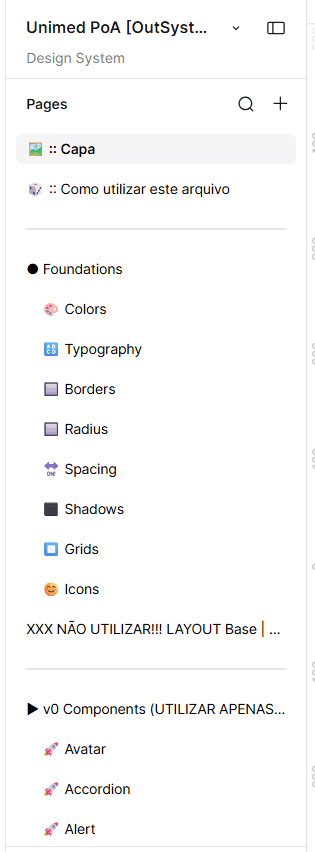
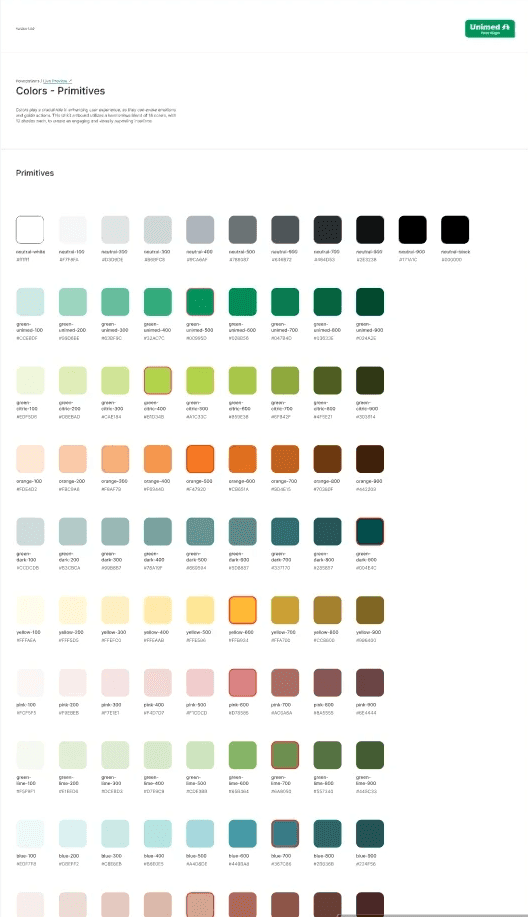
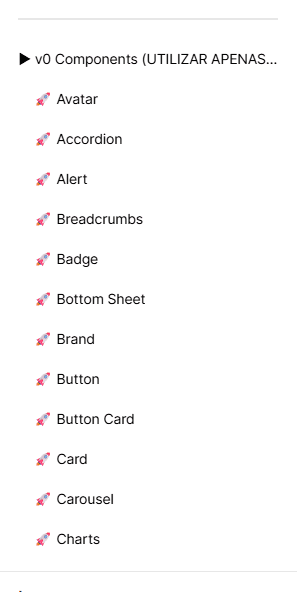
I structured the project around Atomic Design, starting with the foundations before any component: colors, typography, logos, spacing, grids, radius, shadows and iconography. Only once that solid, documented base was in place did I move on to building the component library (currently at v0: Avatar, Accordion, Alert, with more being added).
Build and documentation
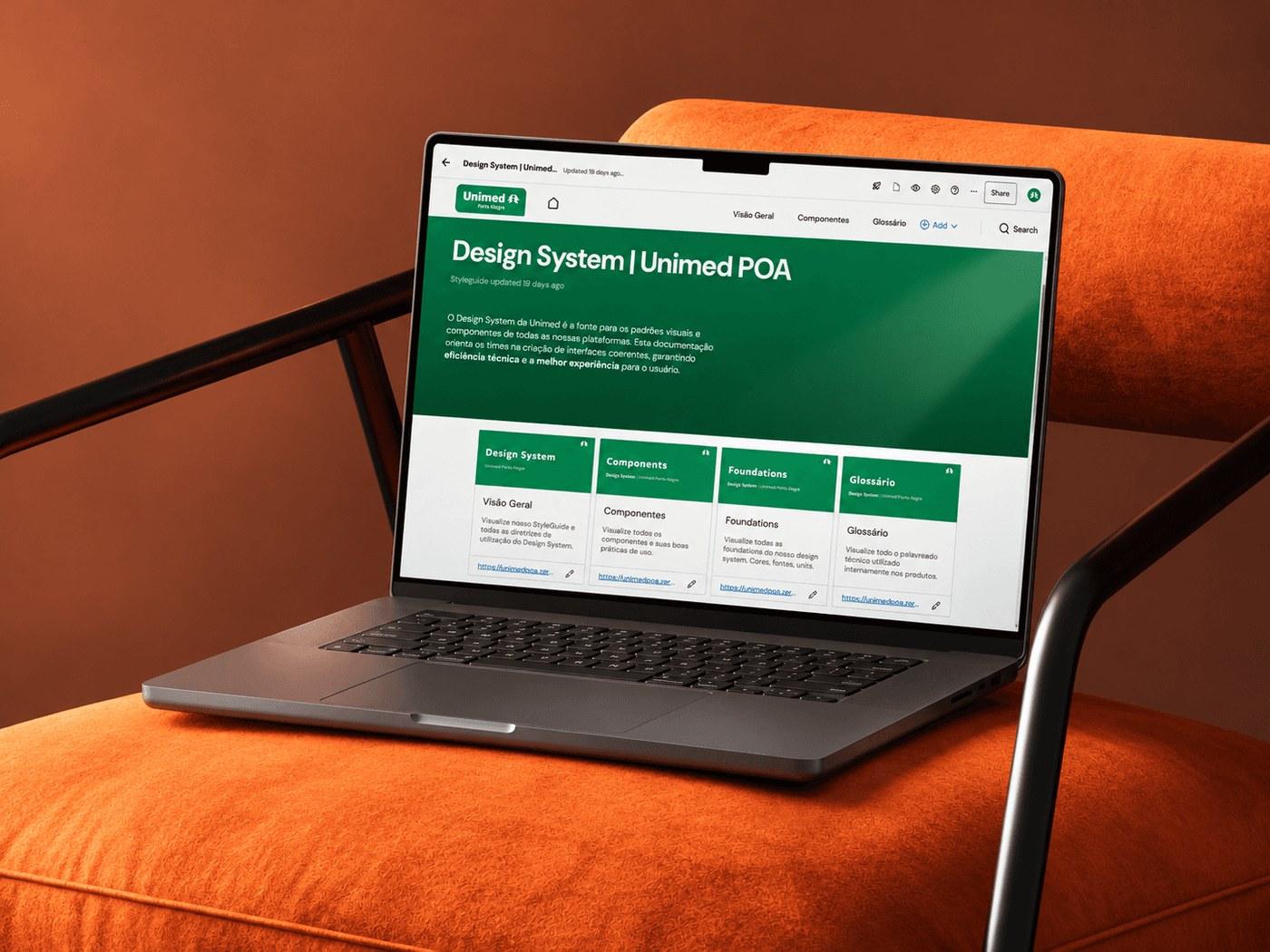
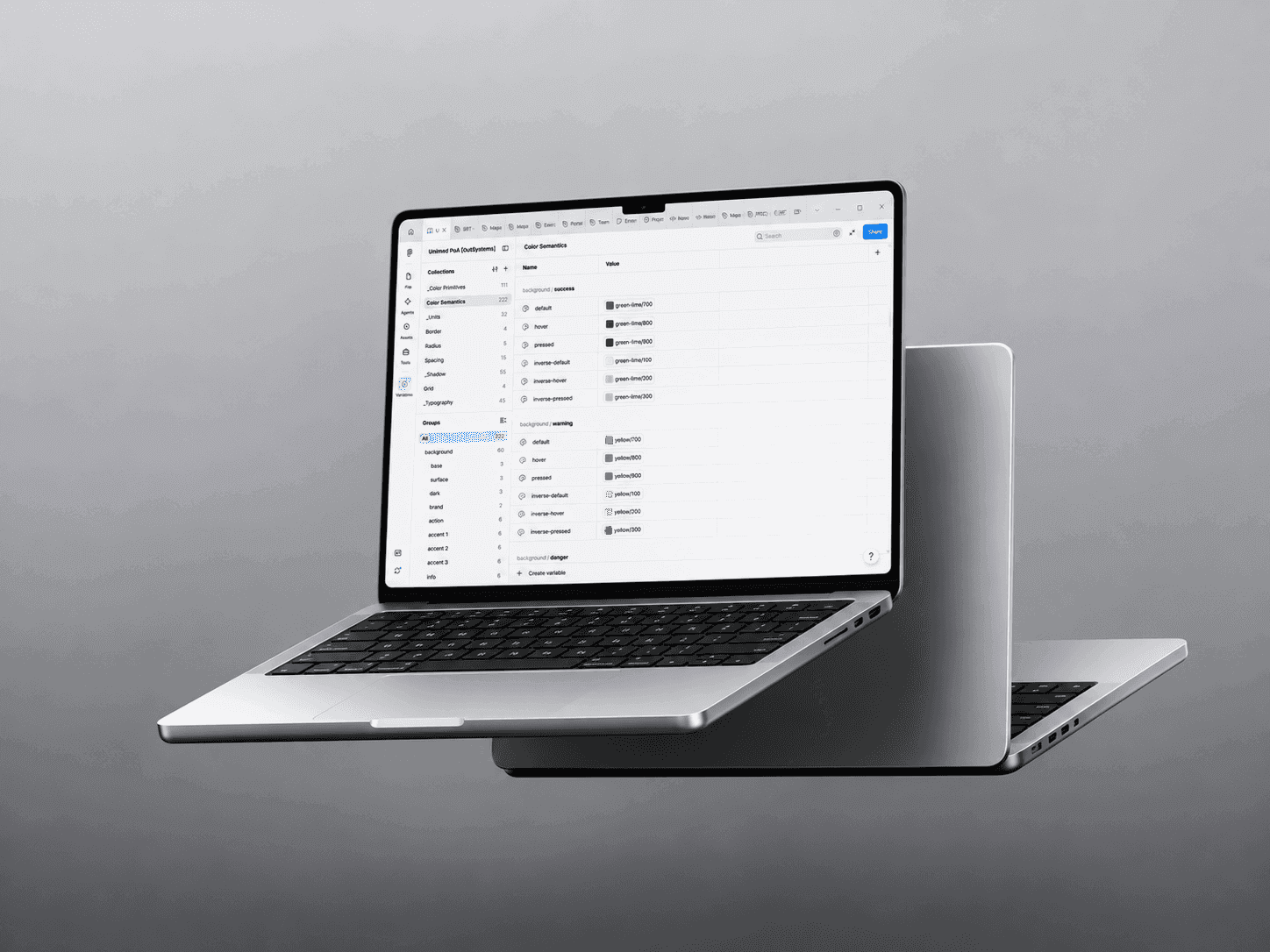
The build happens in Figma, organized into clear pages (Cover, How to use this file, Foundations, Components), with explicit flags for anything deprecated that should no longer be used — a precaution that helps prevent teams from mistakenly using older versions during the transition. Public documentation is published on ZeroHeight, structured across four areas: Overview, Components, Foundations and Glossary — so any team can reference and apply the patterns without depending on me directly.
Using AI in the process
Worth calling out: I used Claude integrated with Figma via MCP (Model Context Protocol), connected directly to ZeroHeight, to streamline documentation and the construction of every component in the system. That sped up the work of keeping documentation always up to date and consistent with what was being built in Figma.
My role as project lead
Beyond designing the system, I took on project management: splitting tasks, setting up the tracking board in Azure DevOps and prioritizing what would be built each cycle — a layer of project leadership on top of the design work itself.
Impact
A concrete example of the speed gained once components became available: the exam-request flow, which used to require manual adjustment every time something changed, was finished in under a month using ready-made design system components.
16+
digital products impacted
100%
of the foundations documented and published
500+
tokens restructured and 40+ components built, reused across every product in the cooperative
<1 month
to rebuild the exam-request flow
Learnings
This project showed me that leading a design system goes far beyond the visual layer — it's about communication, prioritization, and building trust with the teams who use it every day.
“Today, the Unimed Design System is more than a component library — it's the foundation that connects the cooperative's 16+ products and gives design and development teams the autonomy to move faster and more consistently.”
Conclusion
Unimed's Design System has grown from a component library into the foundation connecting design and development in the cooperative's day-to-day work. With its foundations consolidated and the component library continuously evolving, the system already reduces rework, speeds up delivery, and keeps growing alongside Unimed's 16+ products.